

Top 5 Habits That Cause Early Childhood Cavities (And How to Prevent Them)
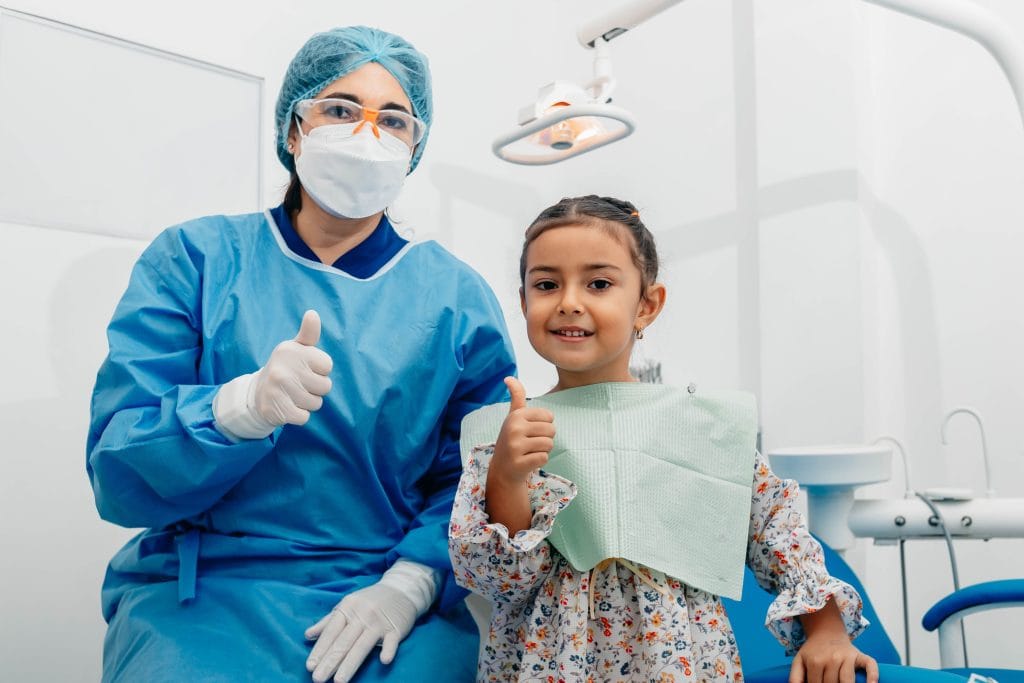
Early childhood cavities are common, and they’re rarely about a parent doing something wrong. They almost always trace back to a handful of everyday habits that are easy to miss and just as easy to fix once you know what to look for. Here are the five that come up most often, and what actually helps.
1. Bedtime bottles and sippy cups Here
This is the single biggest driver of early decay we see. When a child falls asleep with a bottle of milk, formula, or juice, that liquid pools around the teeth for hours with barely any saliva around to wash it away. Even breast milk and plain milk contain natural sugars that feed decay-causing bacteria overnight.
What helps: aim to move away from bedtime bottles by around 12 to 18 months, and if a bottle is part of the wind-down routine before then, make it water once teeth have been brushed. Sippy cups used constantly through the day (not just at meals) can have a similar grazing effect, so keep those to mealtimes too where you can.
2. Grazing on sugary or starchy snacks throughout the day
It’s not just how much sugar a child has, it’s how often. Every time your child eats something sugary or starchy (think crackers, dried fruit, juice, or flavoured yoghurt pouches), their teeth face an acid attack that lasts around 20 to 30 minutes. Five small snacks spread across the day can do more damage than the same amount of sugar eaten in one sitting, because the teeth never get a break to recover.
What helps: try to group treats and sweeter snacks around mealtimes rather than spacing them out all day, and reach for water between meals instead of juice or cordial.
3. Brushing without supervision too early
Most kids don’t have the fine motor skills to brush effectively on their own until around age 7 or 8. Before that, an unsupervised “I did it myself” brush often misses the back teeth and the gumline, exactly where cavities tend to start.
What helps: brush for your child (or alongside them) twice a day with a pea-sized amount of fluoride toothpaste, and let them practise on their own turn as a game, then follow up with a proper adult-led brush. It’s not about doing it for them forever, just longer than most parents assume.
4. Waiting until something hurts to see a dentist
Cavities in baby teeth often don’t cause noticeable pain until they’re fairly advanced, so “they haven’t complained about it” isn’t a reliable sign everything’s fine. By the time a child says a tooth hurts, treatment is usually more involved than it needed to be.
What helps: stick to a check-up roughly every six months, even when nothing seems wrong. Small areas of decay are far easier and less stressful to treat early, sometimes with a simple fluoride treatment, than once they’ve grown into something needing a filling or extraction.
5. Sharing spoons, cups, or "cleaning" a dropped dummy in your mouth
This one surprises a lot of parents. The bacteria that cause tooth decay aren’t present in a baby’s mouth from birth, they’re usually passed on from a parent or carer, often through sharing utensils, testing food temperature with the same spoon, or popping a dropped dummy in your own mouth to clean it before giving it back.
What helps: give your baby or toddler their own spoon, rinse a dropped dummy with water instead, and where you can, avoid sharing drinks or food straight from your mouth to theirs, especially in the first couple of years.
If you're worried your child already has a cavity
None of this is about getting everything perfect. If you’ve noticed a white or brown spot on a tooth, or your child has mentioned sensitivity to hot, cold, or sweet foods, it’s worth getting it checked rather than waiting to see if it gets worse. Early decay is often quick and comfortable to treat, especially before it reaches the nerve.
Keep on top of it with regular check-ups
Good habits at home do most of the work, but a six-monthly check-up with our children’s dentistry team in Buderim catches anything home habits alone can’t. If your child hasn’t had a check-up in the last six months, or you’re just not sure where things stand, give us a call on (07) 5370 8865 or book online, we’re happy to take a look.
Related Posts
Recent Posts
- Choosing a Family Dentist on the Sunshine Coast: What to Look For
- How to Make Your Dental Crown Last: A Practical Aftercare Checklist
- Dental Crown vs. Filling: How to Know If Your Weak Tooth Needs a Cap
- Does My Child Qualify for the Child Dental Benefits Schedule (CDBS)?
- Pediatric Dental Emergencies: A Parent’s Guide to Broken Braces & Tooth Trauma