

What Happens During a Dental Implant Procedure? Your Comprehensive Guide
What Are Dental Implants?
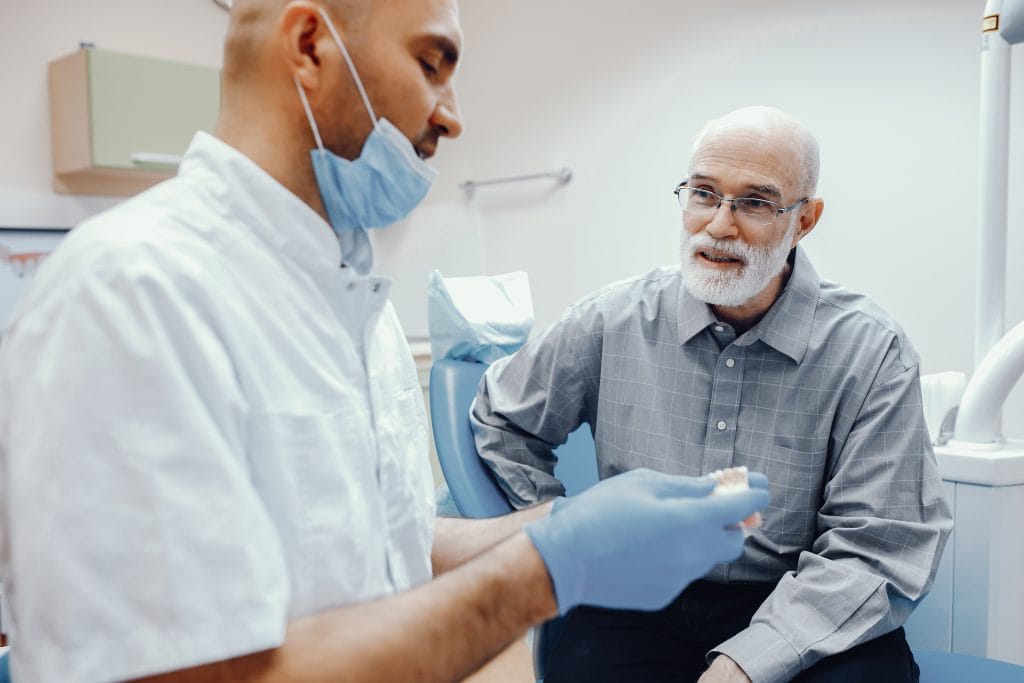
Dental implants are a highly effective and permanent solution for replacing missing teeth. Unlike dentures or bridges, implants are surgically placed into your jawbone and serve as a sturdy foundation for replacement teeth. This ensures a more natural, long-lasting result that functions just like your original teeth. Whether you need a single implant or a full set, including options like All on 4 dental implants, the procedure is designed to restore your smile and improve your quality of life.
The Multi-Step Process of Dental Implants
A dental implant procedure involves several steps, from the initial consultation to the final placement of the crown. Although the process can take a few months, it’s well worth the wait for the results. The procedure is performed in stages to allow your jawbone time to heal and integrate with the implant, ensuring a stable and durable foundation.
Why Choose Dental Implants?
Dental implants are a superior option for many reasons:
- Permanent Solution: Unlike bridges or dentures, implants are a permanent solution that can last a lifetime with proper care.
- Improved Functionality: Implants restore the function of your teeth, allowing you to eat, speak, and smile confidently.
- Natural Look and Feel: Implants are designed to mimic the look and feel of natural teeth, blending seamlessly with your existing ones.
- Enhanced Oral Health: Implants help preserve bone structure in the jaw, preventing the bone loss that often occurs after losing a tooth.
All on 4 Dental Implants – A Life-Changing Option
All on 4 dental implants are an innovative solution for patients who need a full set of replacement teeth. This technique uses four implants to support a full arch of teeth, offering a quicker and more affordable solution for those who may otherwise require individual implants for each missing tooth. The All on 4 procedure is particularly popular for patients who have lost most or all of their teeth.
The Dental Implant Process – Consultation, Surgery and Healing
What to Expect During Your Consultation
The first step in your dental implant journey is the consultation. This is where you’ll meet with your dentist to discuss your goals, undergo a thorough examination, and create a personalised treatment plan. Your dentist will assess your oral health, including the condition of your jawbone, gums, and remaining teeth, to determine if you’re a good candidate for implants. If necessary, digital scans and 3D imaging will be used to plan the surgery and ensure the implants are placed precisely.
The First Step – Implant Placement Surgery
Once you’ve completed your consultation and your dentist has determined that you’re a good candidate for dental implants, the next step is the implant placement surgery. This is typically performed under local anaesthesia to ensure you’re comfortable and pain-free during the procedure. For patients with anxiety, sedation options are available to make the experience even more relaxed.
The Surgical Process – What Happens During Implant Placement?
During the surgery, your dentist or oral surgeon will create a small incision in the gum tissue to access the jawbone. After this, a small hole is drilled into the bone to accommodate the titanium implant, which is then inserted. Titanium is used because it integrates well with bone, a process known as osseointegration, which allows the implant to become a permanent part of your jaw.
If you’re receiving a full set of teeth, like All on 4 dental implants, the procedure will be slightly different. In this case, four implants are placed in strategic locations, and a temporary set of teeth can be fitted the same day. The rest of the healing process will allow your permanent set of teeth to be placed once osseointegration has taken place.
After Surgery – What to Expect During Recovery
Following the surgery, you can expect some swelling, bruising, and discomfort, which is completely normal. Your dentist will provide detailed aftercare instructions to help manage pain and speed up recovery. Most patients can return to work and regular activities within a few days, but it’s crucial to avoid any heavy physical activities that could disturb the healing process.
Healing Time – How Long Does It Take?
The healing process after the implant placement can take anywhere from a few weeks to several months. During this time, the implant will fuse with the jawbone, ensuring it’s secure and stable. The length of time needed for healing varies depending on factors such as bone density and overall health. For patients opting for All on 4 dental implants, healing can be quicker as the procedure requires fewer implants and often involves less recovery time.
Managing Discomfort and Pain After Surgery
Pain and discomfort are common following dental implant surgery, but they are typically manageable with over-the-counter pain relievers. Your dentist may prescribe stronger medications for the first few days if needed. Cold compresses can also be used to reduce swelling, and a soft-food diet is recommended during the initial healing phase.
Post-Surgery Care and The Final Restoration
Caring for Your Implants After Surgery
After the dental implant surgery, proper aftercare is crucial for ensuring a successful recovery and long-term success of your implants. Following the guidelines provided by your dentist will help manage discomfort, avoid complications, and promote optimal healing.
Aftercare Instructions for Optimal Healing
The most important aspect of post-surgery care is keeping the surgical area clean. While it’s essential to avoid brushing the implant site immediately after surgery, your dentist will provide instructions on how to gently clean the surrounding area. You may be given a special mouth rinse to help keep the area free from bacteria and speed up healing.
In the first few days after surgery, it’s normal to experience some swelling and bruising. Applying cold compresses to your face during the first 48 hours can help reduce these symptoms. Additionally, sticking to a soft-food diet will avoid any irritation or strain on the implant site while it heals.
Managing Discomfort After Implant Surgery
It’s normal to experience some discomfort or mild pain after the procedure. However, the pain should gradually decrease within a few days. Over-the-counter pain medications like ibuprofen can help manage discomfort, but if the pain persists or becomes more intense, your dentist may prescribe a stronger medication.
Some patients may also experience temporary changes in their bite or difficulty with chewing. These symptoms typically resolve as the implants integrate with the bone and the healing process progresses.
How Long Does It Take for the Implants to Heal?
The osseointegration process, where the titanium implant fuses with your jawbone, typically takes around 3 to 6 months. During this time, it’s essential to follow your dentist’s instructions and attend follow-up appointments to ensure that the implants are healing properly. For those opting for All on 4 dental implants, the healing time may be quicker since fewer implants are placed, and the restoration is often completed in a shorter time frame.
Final Restoration – Placing the Permanent Crown
Once your implants have fully healed and the osseointegration process is complete, the final step is placing the permanent restoration on the implant. This restoration is usually a custom-made crown designed to match the colour, shape, and size of your natural teeth, providing a seamless look.
During this stage, your dentist will attach the permanent crown or bridge to the implant post, completing the restoration process. If you opted for All on 4 dental implants, a full arch of teeth will be placed once the healing phase is complete, giving you a beautiful, fully functional smile.
The Importance of Regular Check-Ups
After the final restoration is placed, it’s important to continue visiting your dentist regularly for check-ups and maintenance. These visits help ensure the longevity of your implants and allow your dentist to monitor the health of your gums and the stability of the implants. With proper care, dental implants can last a lifetime, providing you with a durable and natural-looking solution for missing teeth.
Dental Implants Sunshine Coast – Your Local Experts
If you’re considering dental implants on the Sunshine Coast, Comfort Dental & Implant Centre is here to help. Our experienced team offers high-quality dental implant services, including All on 4 implants, to restore your smile with precision and care. We use the latest technology to ensure the best outcomes for our patients, making sure your journey to a confident smile is smooth and successful.
Conclusion – Your Path to a New Smile Starts Here
Dental implants are a life-changing solution for anyone missing teeth. With proper care and attention, dental implants can provide a lasting, natural-looking result that enhances your smile, functionality, and overall confidence. Whether you’re considering a single implant or a full set with All on 4 dental implants, it’s important to choose a skilled provider to guide you through the process.
Contact Comfort Dental & Implant Centre today and take the first step towards a healthier, more confident smile.
Frequently Asked Questions About Dental Implants
How Much Do Dental Implants Cost in Australia?
The cost of dental implants in Australia can vary depending on several factors, including the complexity of the procedure, the number of implants needed, and the location of your dental provider. On average, the cost of a single dental implant can range from $3,000 per implant. Additional costs may include consultations, bone grafting (if needed), and the final crown placement.
For more extensive treatments, such as All on 4 dental implants, the cost can be higher, often ranging from $15,000 for a full set of teeth. However, the long-term benefits of dental implants, such as improved functionality and longevity, make them a worthwhile investment for many patients.
Are Dental Implants Covered by Health Insurance?
Dental implants are not always fully covered by private health insurance, but some insurance plans may provide partial coverage. It’s important to check with your health insurer to see if dental implants are included in your policy and to understand any out-of-pocket expenses you may need to cover.
Many patients find that financing options or payment plans provided by dental clinics help make dental implants more affordable. Some clinics may offer interest-free payment plans or financing options to help spread the cost over time.
How painful is getting a dental implant?
While dental implant surgery is performed under local anaesthesia to ensure you don’t feel pain during the procedure, some discomfort may occur after the surgery as the anaesthesia wears off. The level of pain is generally mild and can be managed with over-the-counter pain relievers. Most patients find that the discomfort subsides within a few days.
What is the downside to dental implants?
While dental implants offer many benefits, there are some potential downsides to consider. The procedure can be costly, and some patients may experience complications such as infection or implant failure. Additionally, the recovery process can take several months, requiring patience and follow-up care. However, with proper care and maintenance, dental implants are a long-lasting and effective solution for missing teeth.
How long do dental implants last?
Dental implants are designed to last a lifetime with proper care. The implant itself, made of durable titanium, can last for decades. However, the crown or bridge placed on top of the implant may need to be replaced after 10 to 15 years due to wear and tear. Regular dental check-ups are essential to ensure the implant remains in good condition.
Related Posts
Recent Posts
- The Sunshine Coast White Diet: A Guide to Professional Teeth Whitening Success
- The Art of the No-Drill Smile: A Guide to Hand-Sculpted Composite Resin Veneers in Buderim
- Invisalign Teeth Straightening: A Sunshine Coast Survival Guide to 22-Hour Wear
- Providers of Dental Implants Buderim Locals Trust: A Clinical Guide to Longevity and Safety
- The Science of a Brighter Smile: Why Professional Teeth Whitening Outperforms DIY Trends